
PSA Testing
A simple blood test that flags prostate risk and decides whether deeper imaging is needed.

The Ultimate One-Stop System for
BPH & Prostate Cancer
Comprehensive Urologic Expertise with Efficient,
Patient-Centered Care
Complete your evaluation in a single visit
and receive official pathology results within 3 business days.
Experience our streamlined same-day evaluation process
with minimal waiting and efficient, patient-centered care.
Scroll
0+
Patients Served
0+
Procedures & Surgeries(*2025 data)
0+
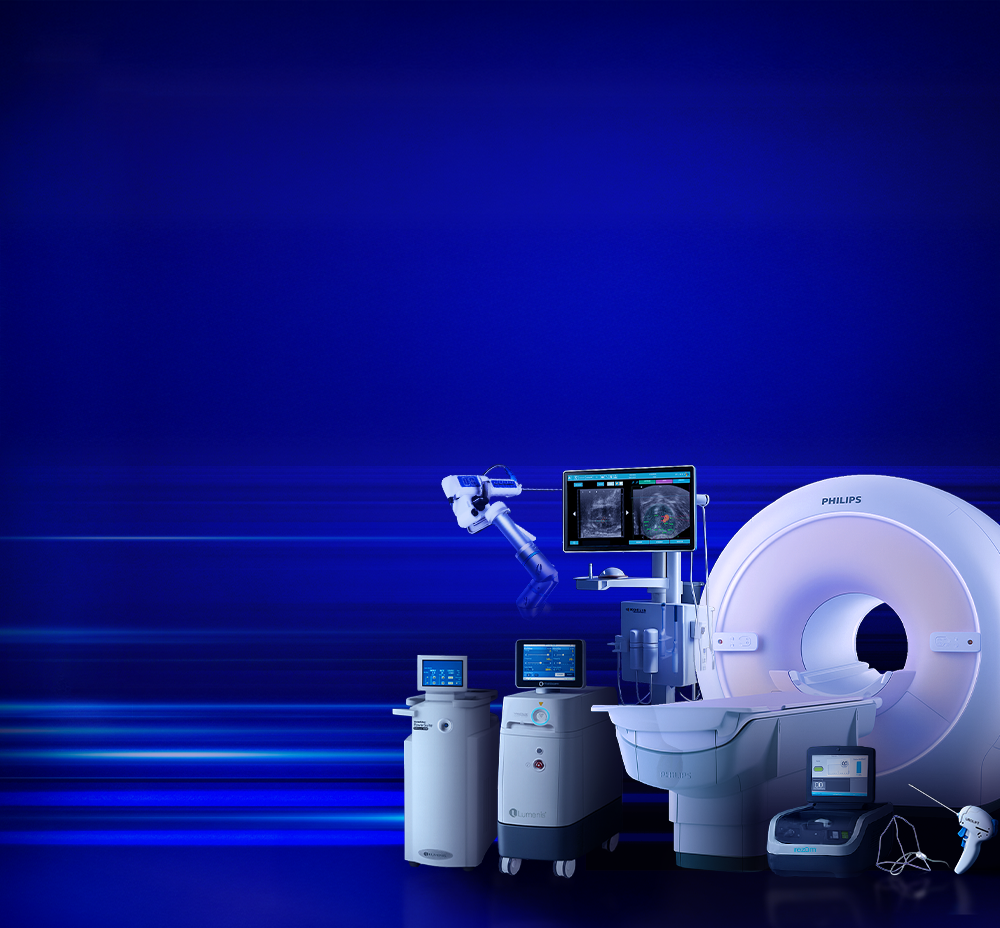
State-of-the-Art Diagnostic & Treatment Equipment
0
Urology Specialists
At U·WELL Urology Clinic, we are committed to
advancing urologic care through standardized,
evidence-based treatment.
We provide comprehensive care ranging from
general urology to highly specialized procedures,
supported by advanced diagnostic technology and a
dedicated surgical center.
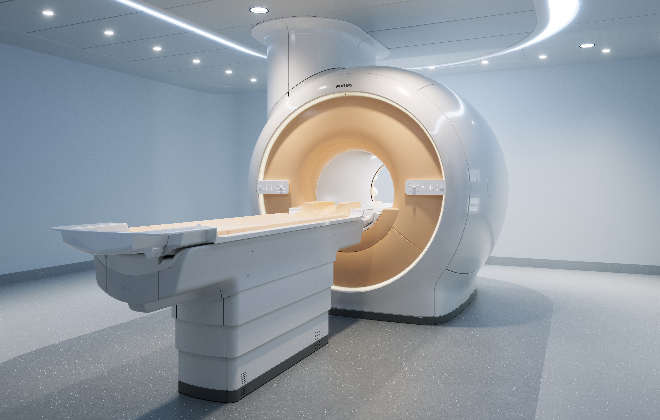
Our clinical environment includes low-dose CT, 3T
MRI, and on-site anesthesiology support. Our
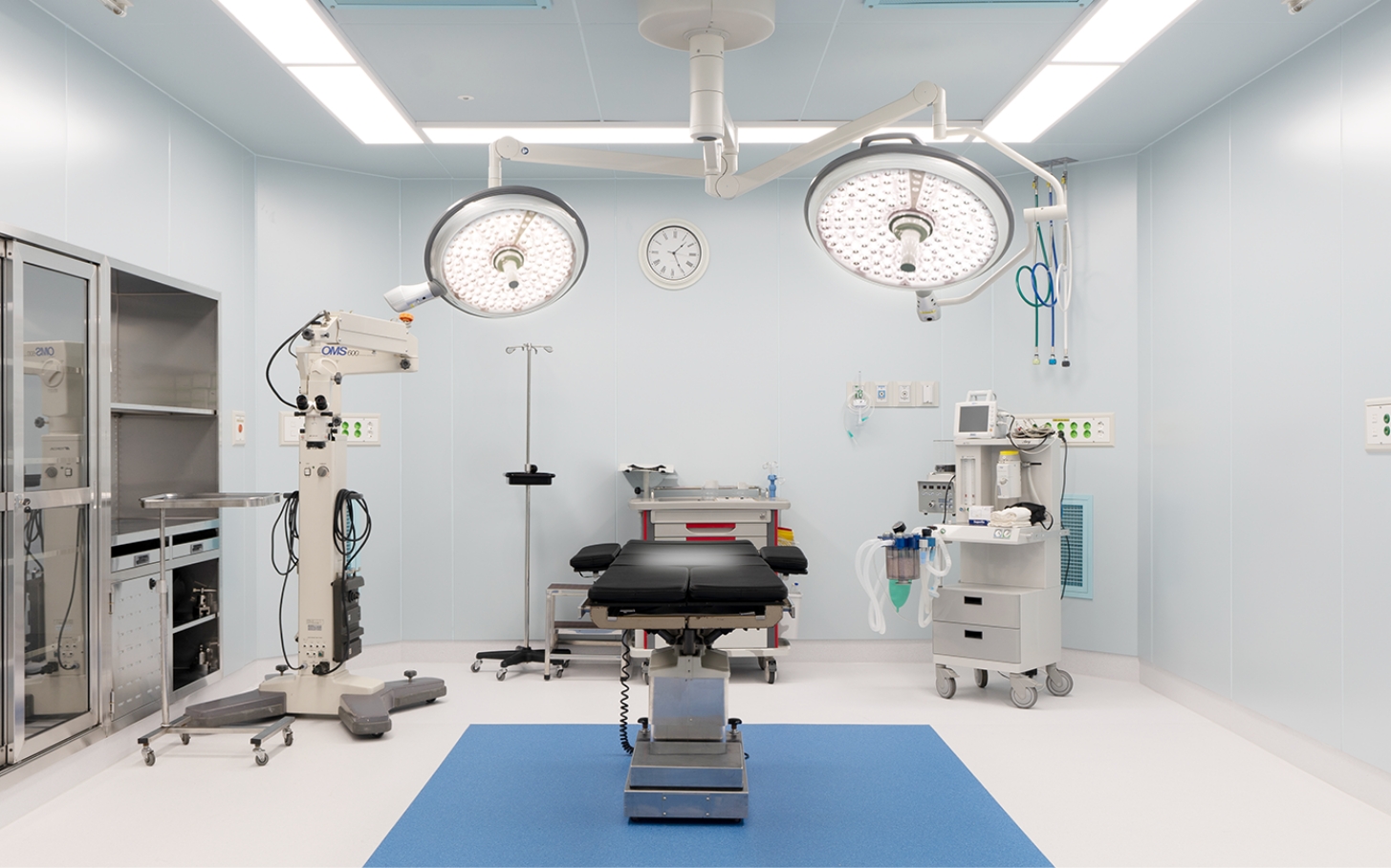
surgical center operates under strict infection
control protocols to ensure safe and reliable care.
In 2025, our specialists performed 10,155 urologic
procedures and surgeries, reflecting extensive
clinical experience and established expertise

From Minimally Invasive Treatments
to Advanced Surgical Solutions
 Korea’s Top 100 Doctors






Led by Dr. Min Jae Kim, Former Professor at
Samsung Medical Center
In-House Genitourinary Radiologist for Timely,
Precise Diagnosis


M.D., Ph.D. – Chungnam National University College of Medicine
M.D., M.S., Ph.D., Chungnam National University College of Medicine

M.D., Chungnam National University College of Medicine

M.D., M.S., Ph.D., Chungnam National University College of Medicine
M.D., M.S., Ph.D., Chungnam National University College of Medicine
M.D., M.S., Wonkwang University College of Medicine

M.D., M.S., Ph.D., Chungnam National University College of Medicine

M.D., Keimyung University College of Medicine

M.D., Catholic University of Korea College of Medicine

M.D., Kyungpook National University School of Medicine

M.D., Chonnam National University College of Medicine

M.D., Sungkyunkwan University School of Medicine

M.D., M.S., Sungkyunkwan University School of Medicine

M.D., Soonchunhyang University College of Medicine
M.D., Sungkyunkwan University School of Medicine
M.D., Hanyang University College of Medicine
M.D., Sungkyunkwan University School of Medicine

M.D., M.S., Chungnam National University College of Medicine
Proven Expertise
Translating Advanced Clinical Research
into Superior Patient Outcomes.








The U·WELL Urology Specialized Center provides
personalized, patient-centered care supported by
advanced medical technology and extensive clinical
experience.
We evaluate the underlying cause of each condition
and provide appropriate treatment options
designed around each patient’s needs.
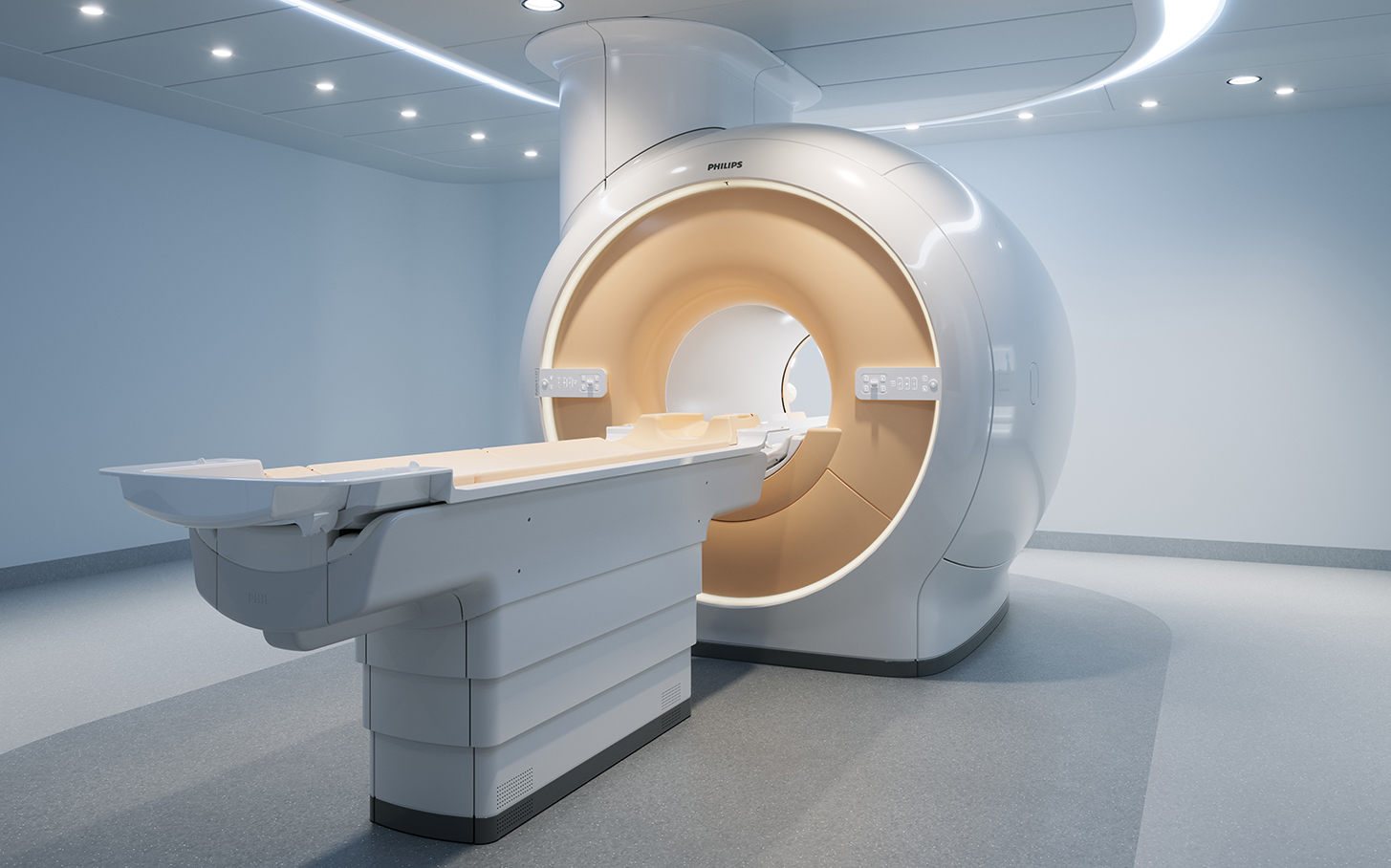
AI 3T MRI(Magnetic Resonance Imaging)
Philips Ingenia 3T
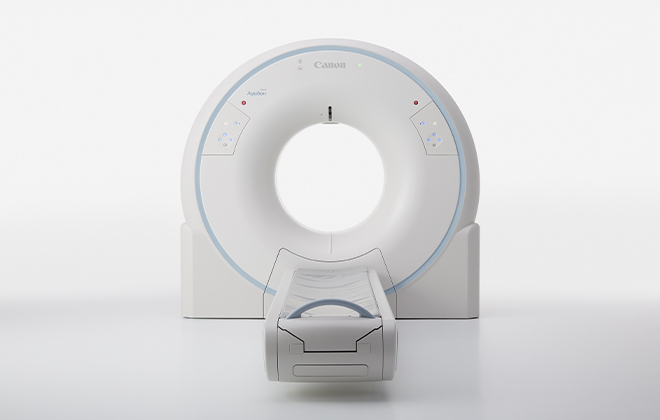
CT(Computed Tomography)
Aquilion Start, Canon
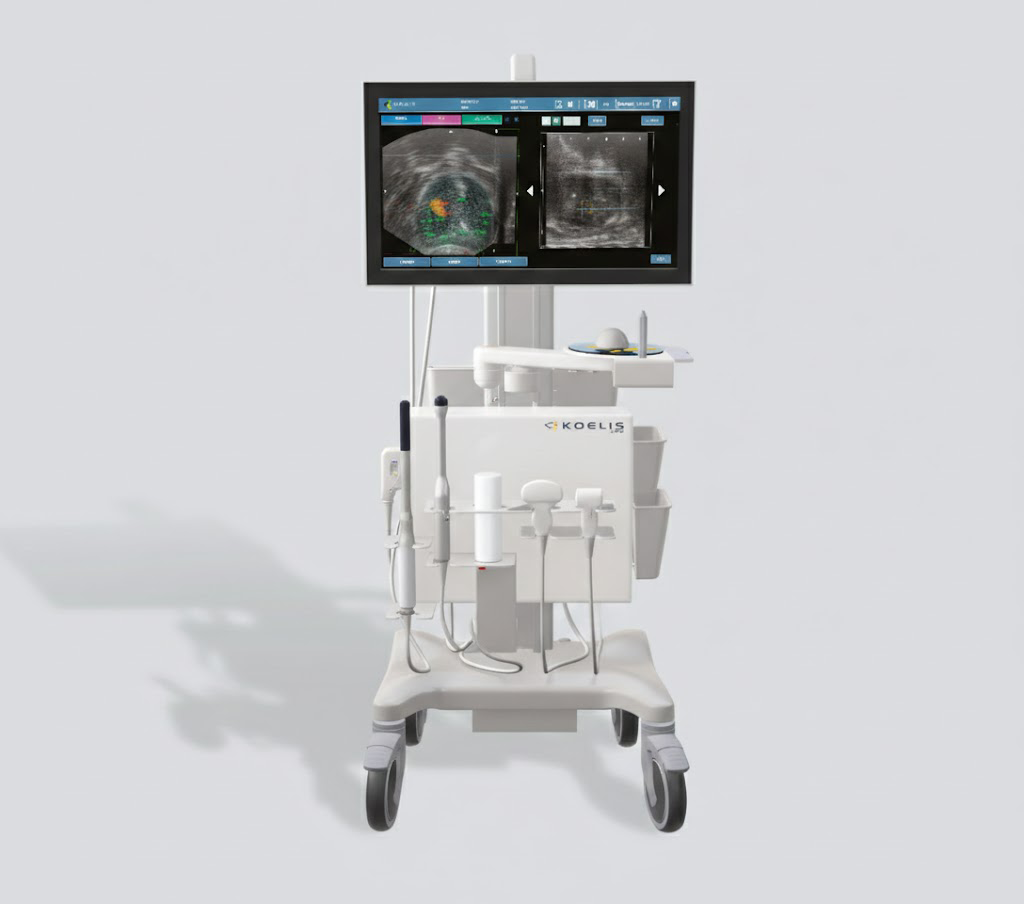
MRI Fusion Target Biopsy
Koelis, Trinity
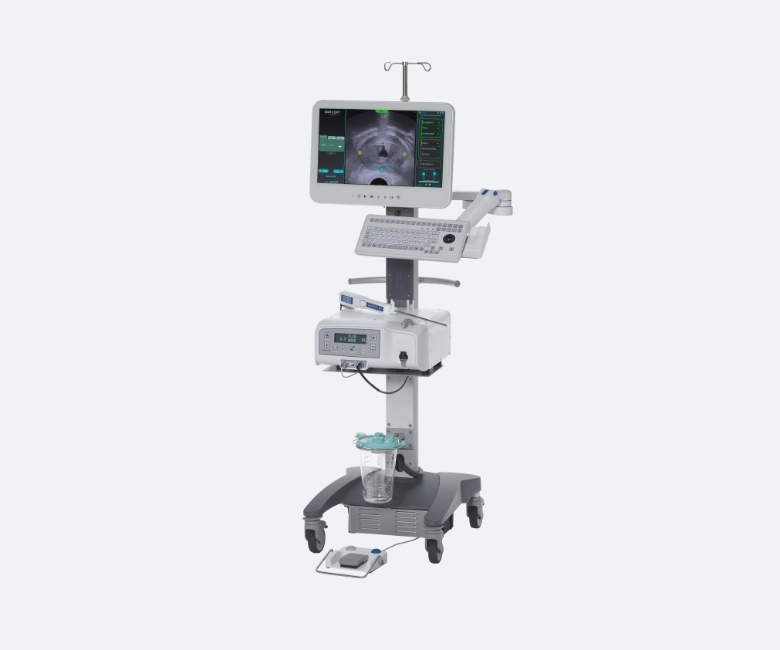
Aquablation
AQUABEAM®, Procept BioRobotics
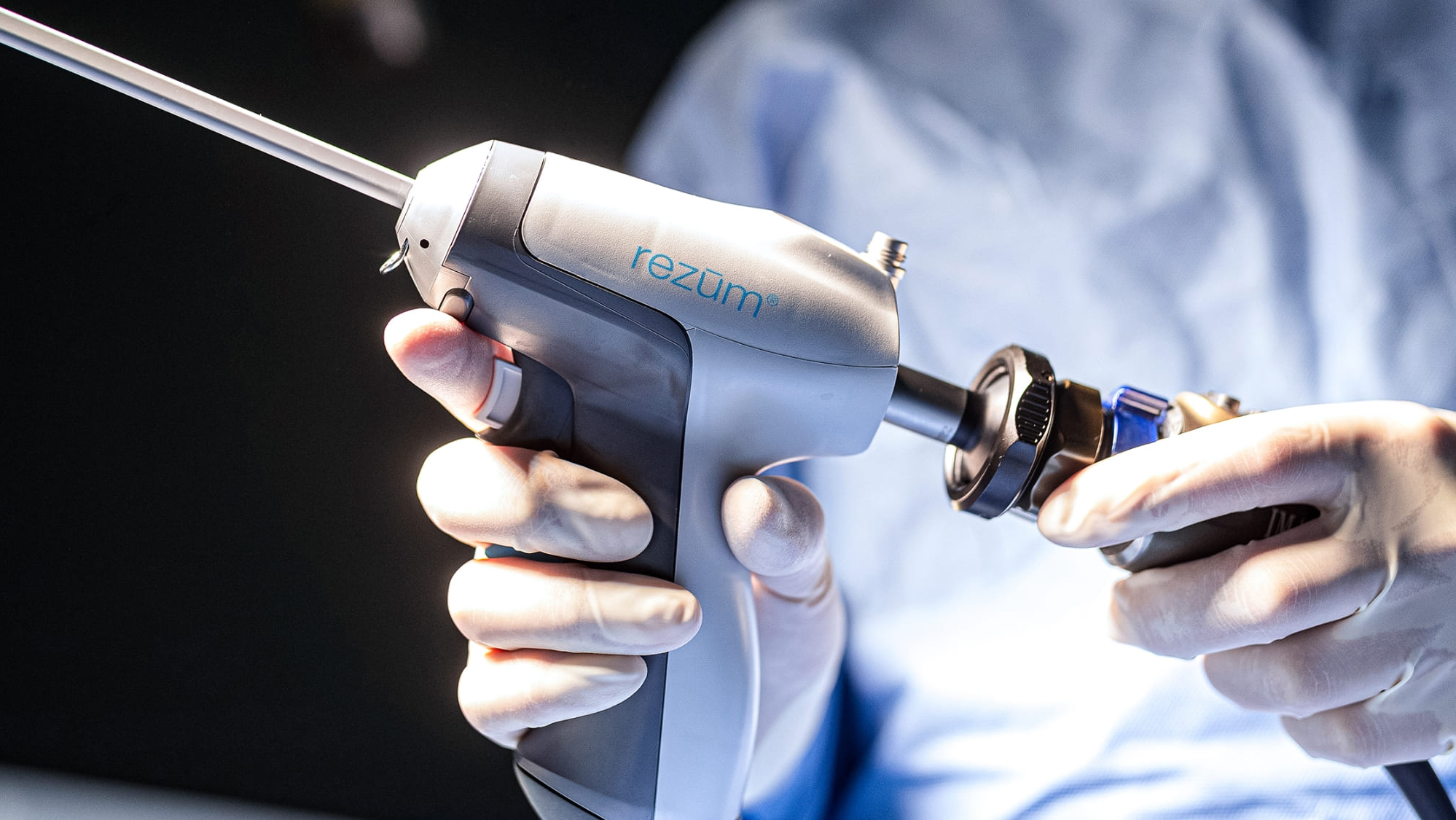
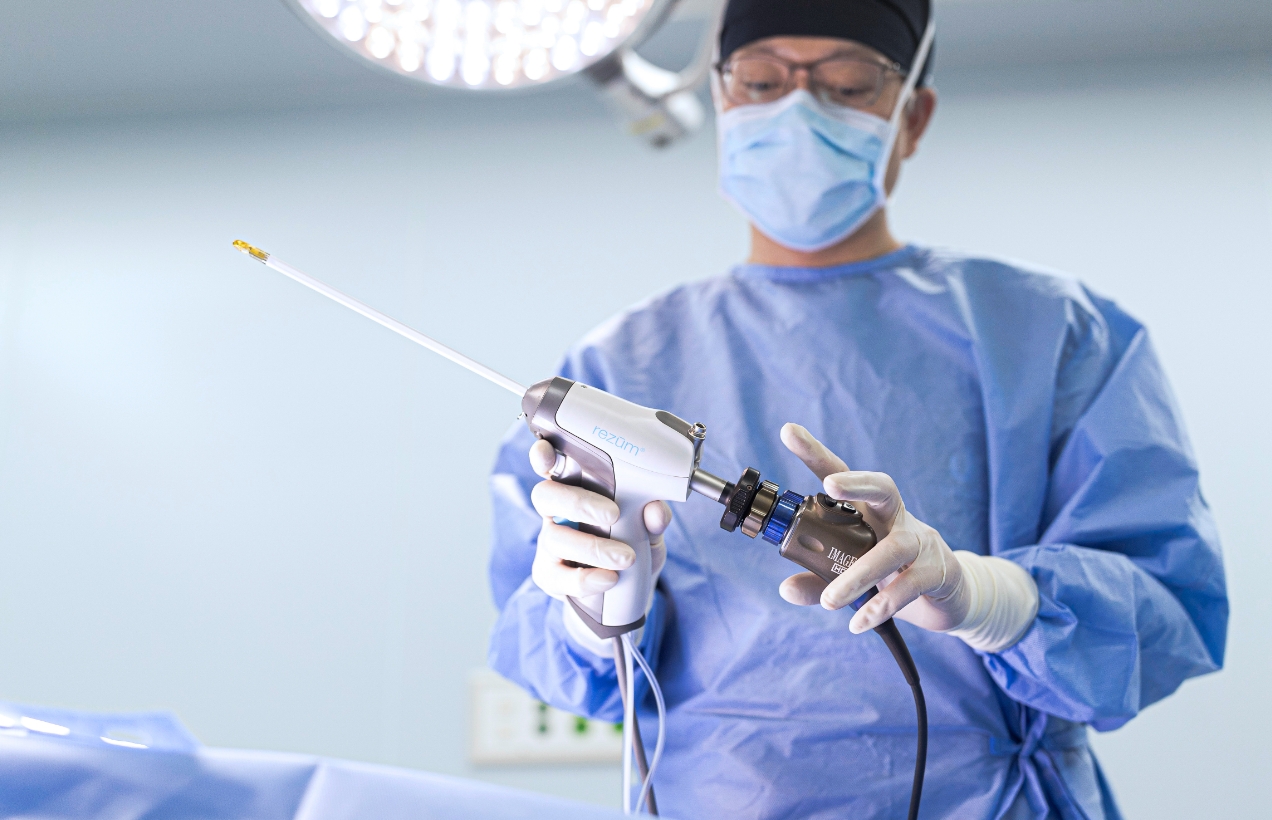
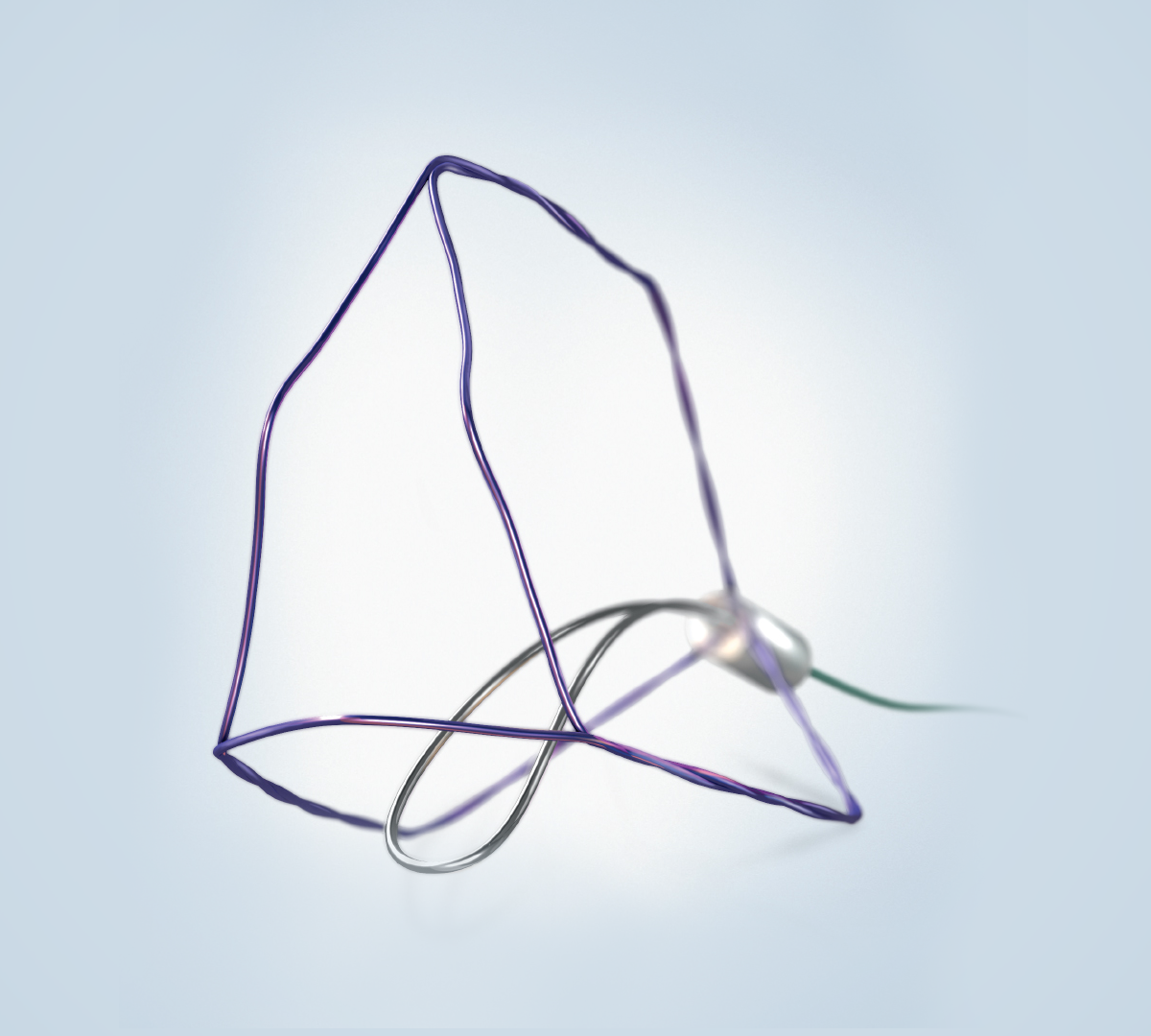
Rezūm™ Water Vapor Therapy
Boston Scientific, USA
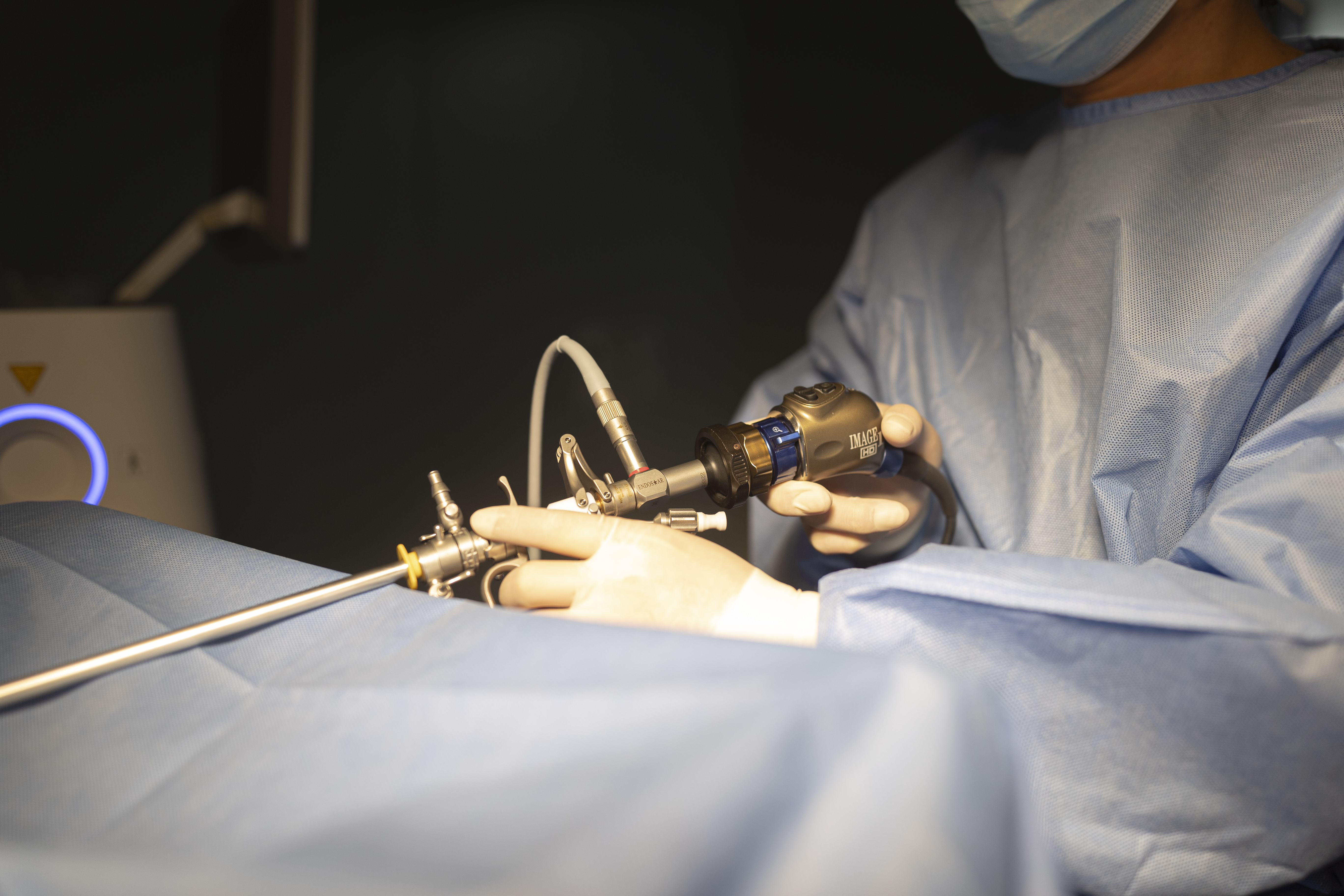
Holmium laser
Pulse 120H, Boston Scientific
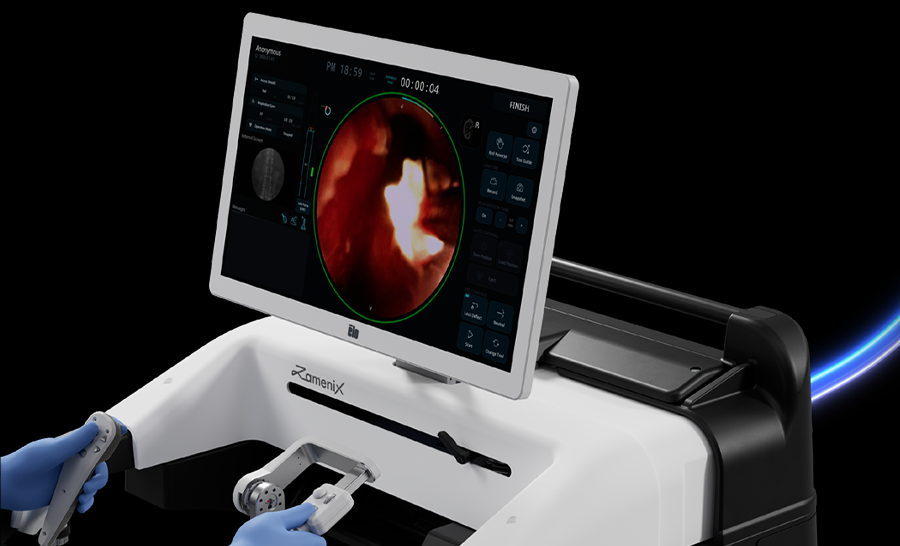
Zamenix
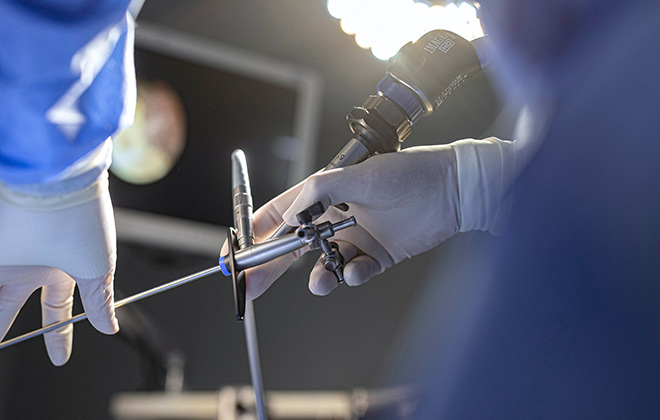
High definition endoscopic system
Storz, Olympus, Stryker
ONE-STOP SYSTEM
Early symptoms of an enlarged prostate and prostate cancer look almost identical — telling them apart quickly and precisely is what protects you. At U WELL you complete your entire work-up in a single day and receive final pathology within three business days, all under one roof.
EXAM TO RESULT
FINAL PATHOLOGY & PERSONALIZED TREATMENT PLANNING
THE ONE-STOP JOURNEY
PSA blood test, AI-powered 3T MRI and uroflow — every test for both conditions, in one appointment.
Your scans are read in-house by a board-certified radiologist — no waiting for an outside report.
Samples the exact lesion flagged on MRI rather than random tissue, reducing unnecessary biopsies.
Final pathology and a personalized plan — managed by one team from diagnosis through follow-up.
A simple blood test that flags prostate risk and decides whether deeper imaging is needed.
High-resolution imaging that pinpoints suspicious areas non-invasively, before any biopsy.
Merges MRI with live ultrasound to sample the precise lesion, improving diagnostic accuracy.
Diagnosis is led on site by our resident board-certified radiologist, using university-hospital-grade equipment and a sterile, positive-pressure surgical suite — so accuracy never costs you time.
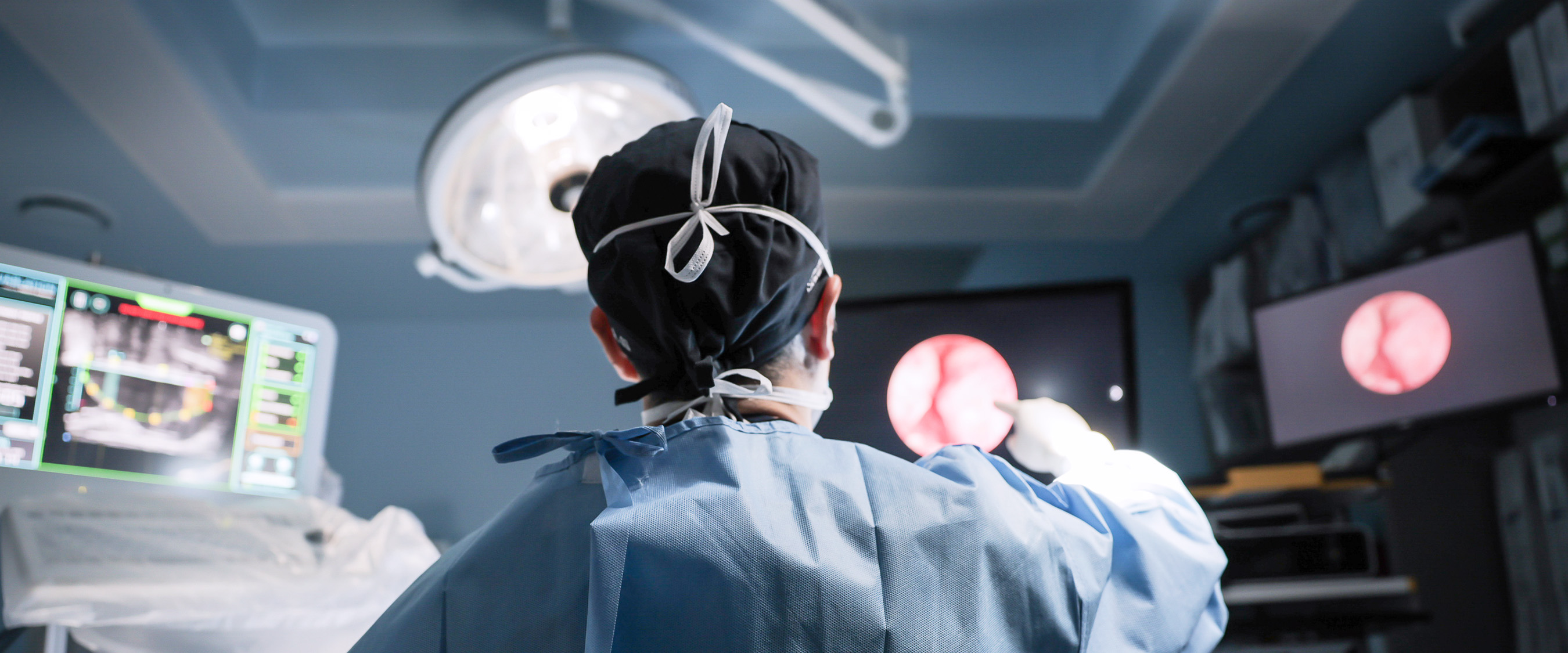
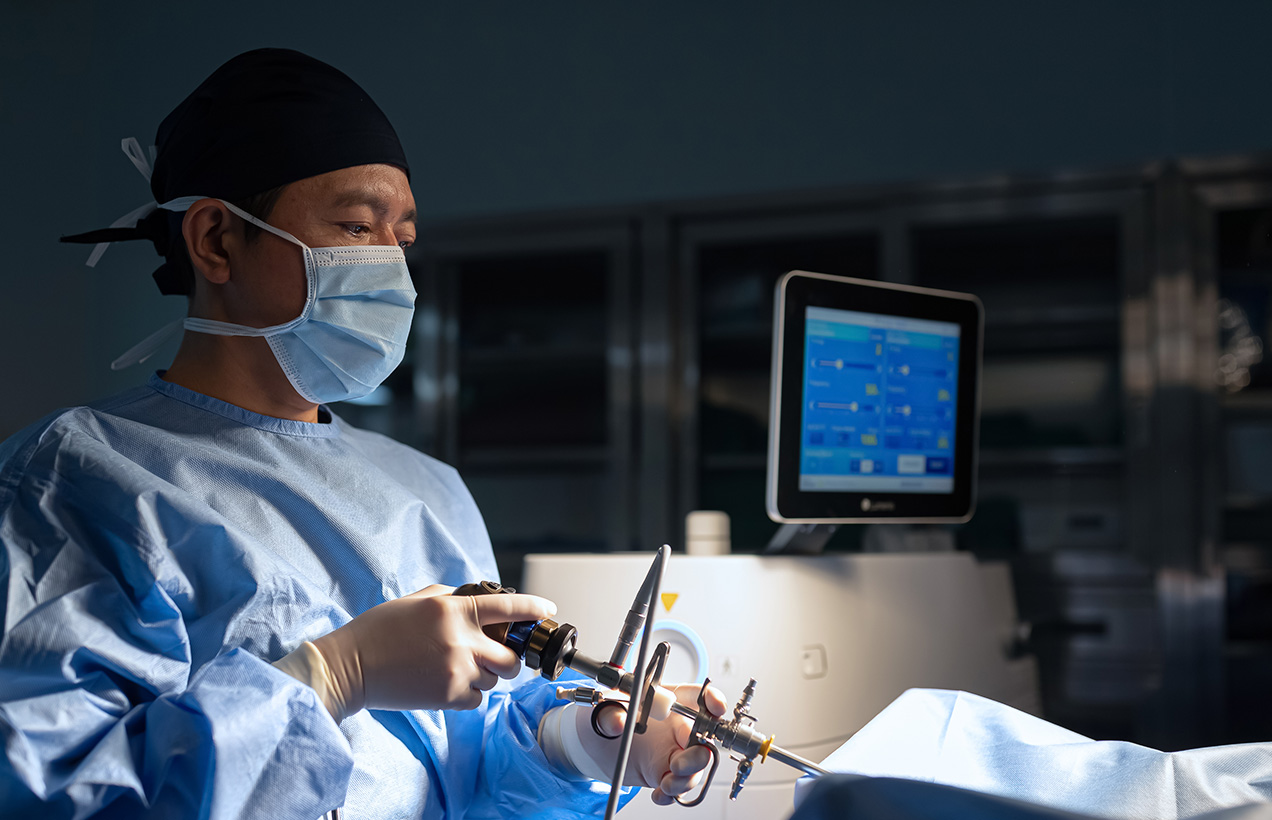
Comprehensive BPH Care
From Five Minimally Invasive Treatment Options to
Advanced Surgery
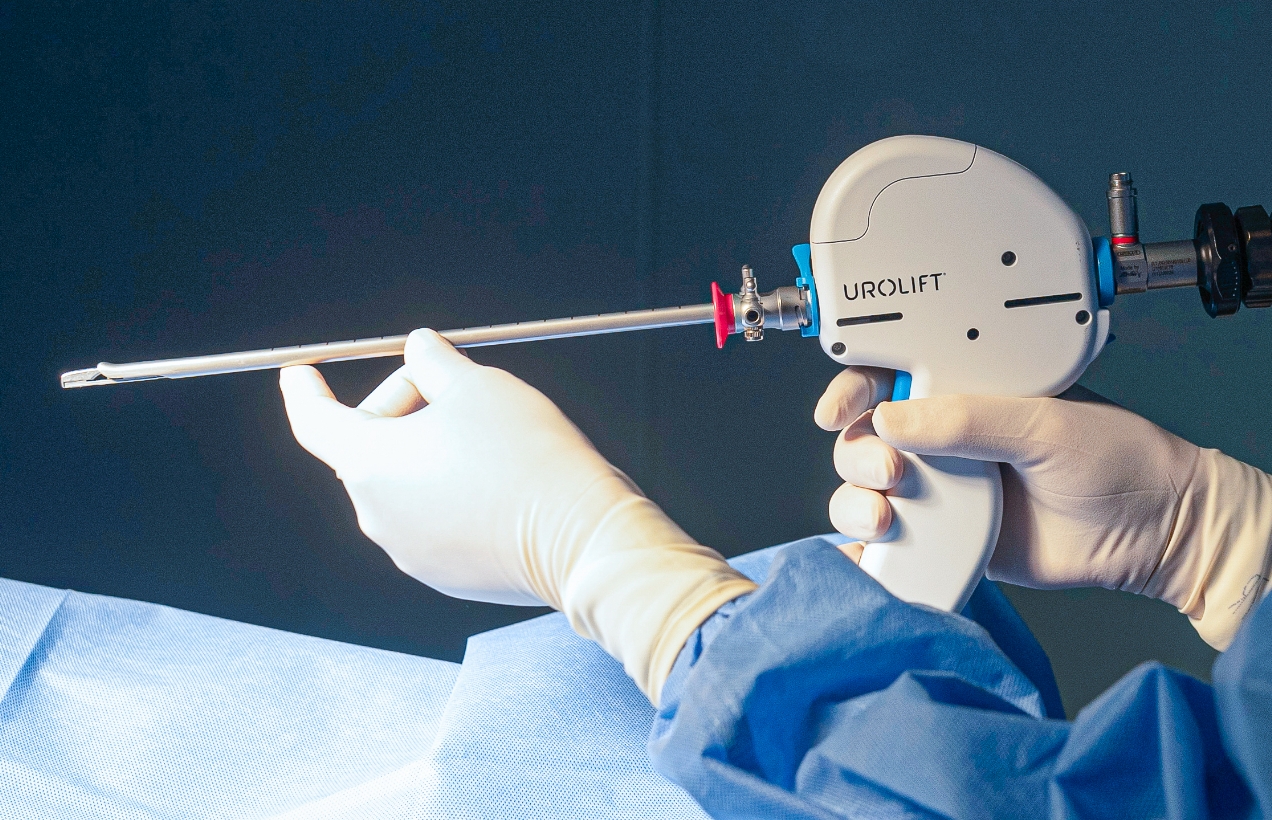
Prostate Cancer Screening
Same-Day Evaluation
Fast, Coordinated Diagnosis
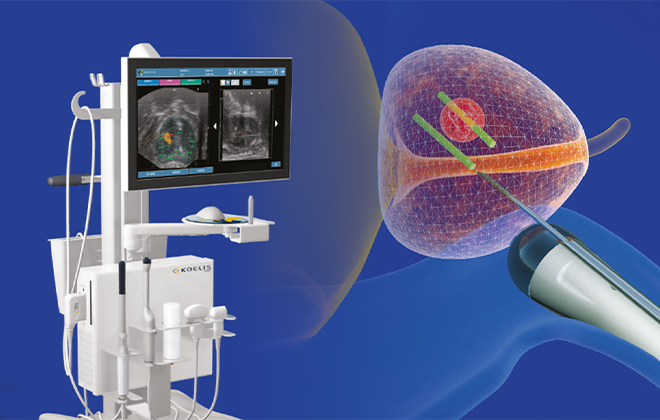
Precision Prostate Cancer Diagnosis: The Power of
MRI-First Strategy. High-resolution MRI imaging enhances
diagnostic accuracy while remaining non-invasive.
Integrating MRI with targeted biopsy
outperforms conventional ultrasound-guided approaches,
effectively reducing unnecessary biopsies and preventing
the over-treatment of non-aggressive cancers.
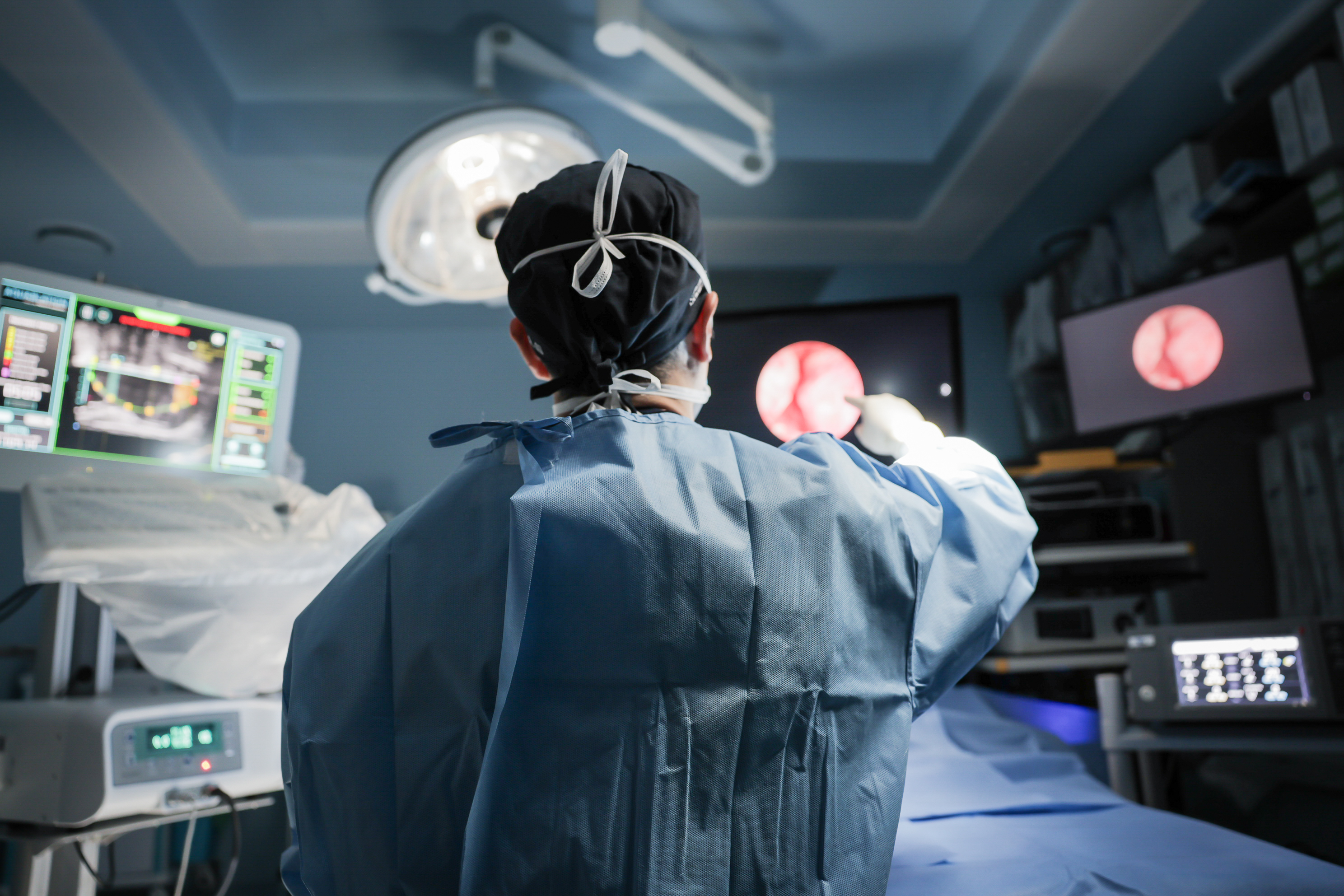
MRI Fusion Targeted Biopsy combines precision MRI
with real-time ultrasound for maximum accuracy.
Utilizing Koelis' proprietary OBT (Organ-Based Tracking) Fusion technology,
we visualize key targets before the procedure
and precisely record each sample location afterward.
The system also features an internal ultrasound mapping function.
With 'Elastic Fusion' technology—
which perfectly aligns MRI scans with 3D ultrasound images—
we ensure a higher level of sophistication and accuracy in every biopsy.
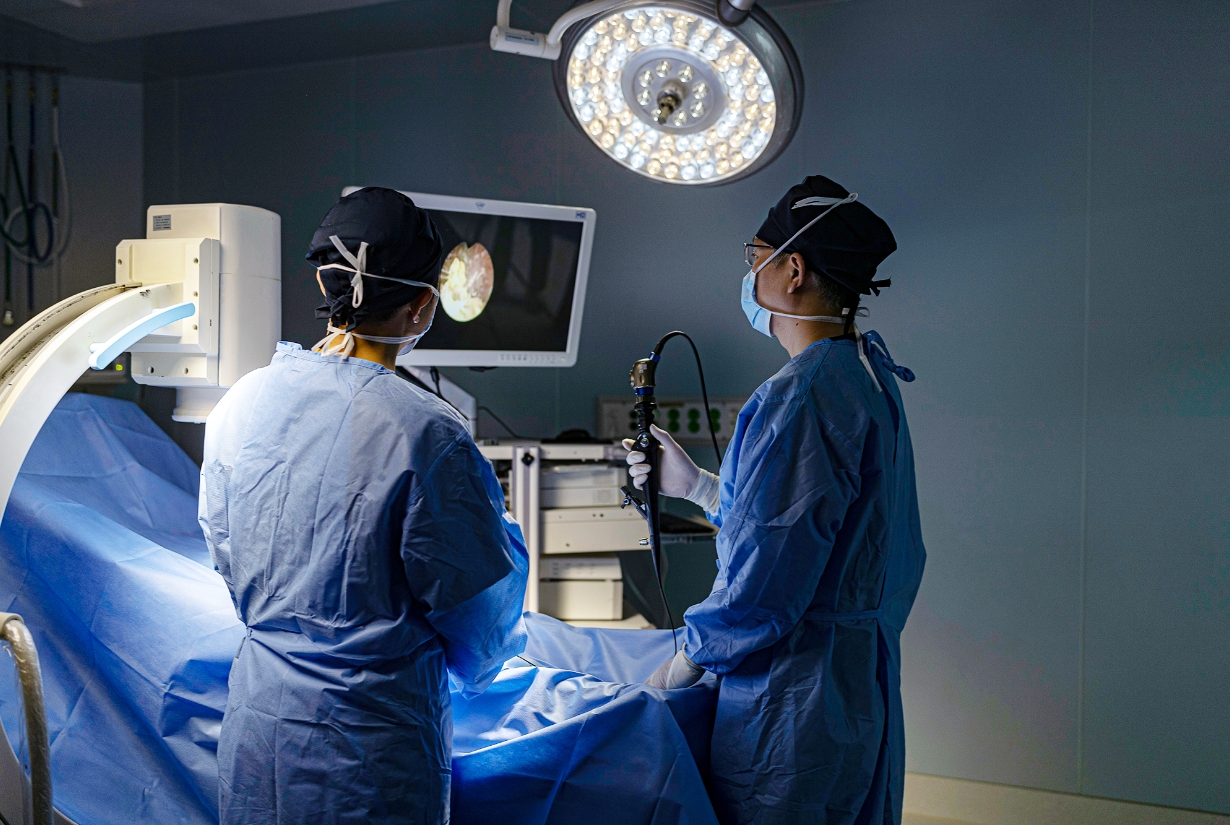
Specialized Treatment in Seoul, Korea
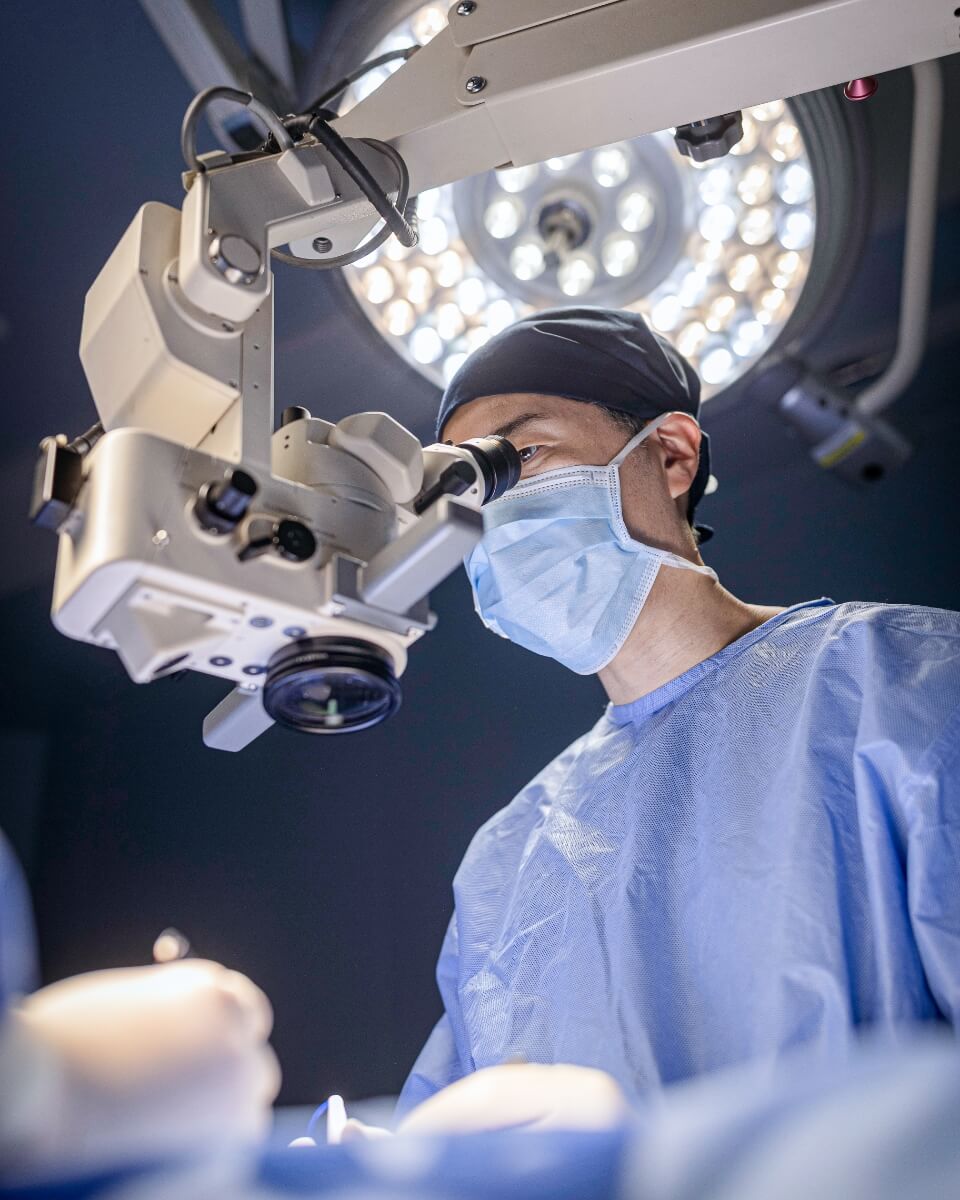
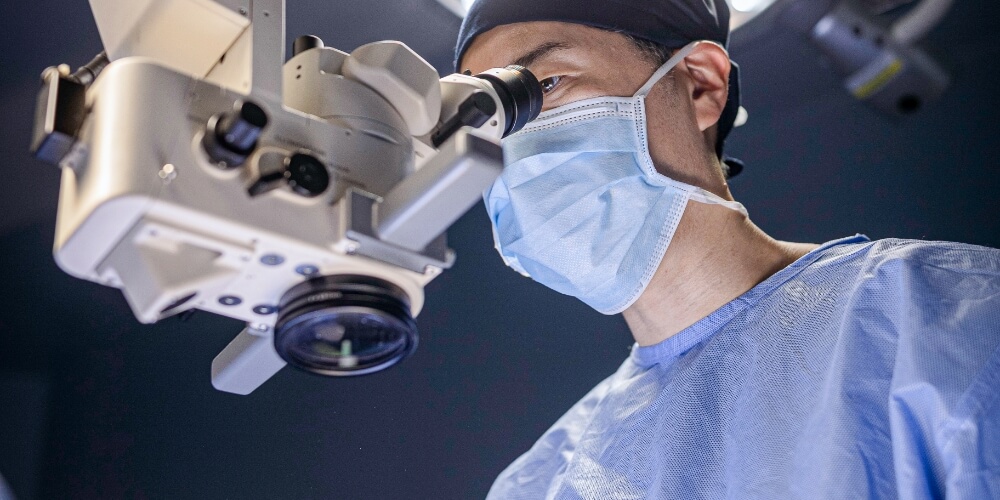
Microsurgery
During the procedure, the spermatic cord is brought outside the body
and examined under a microscope,
allowing the surgeon to identify not only the problematic veins
but also collateral vessels,
making a more definitive treatment possible.
In addition, the subinguinal approach allows
direct exposure of the spermatic cord
through a small skin incision without cutting the muscle or fascial layers,
resulting in minimal postoperative pain.
Microsurgical Varicocelectomy Features

Subinguinal
Incision

Operation Time
Within 40 min

Anesthesia
Sedation

Discharge
Same Day
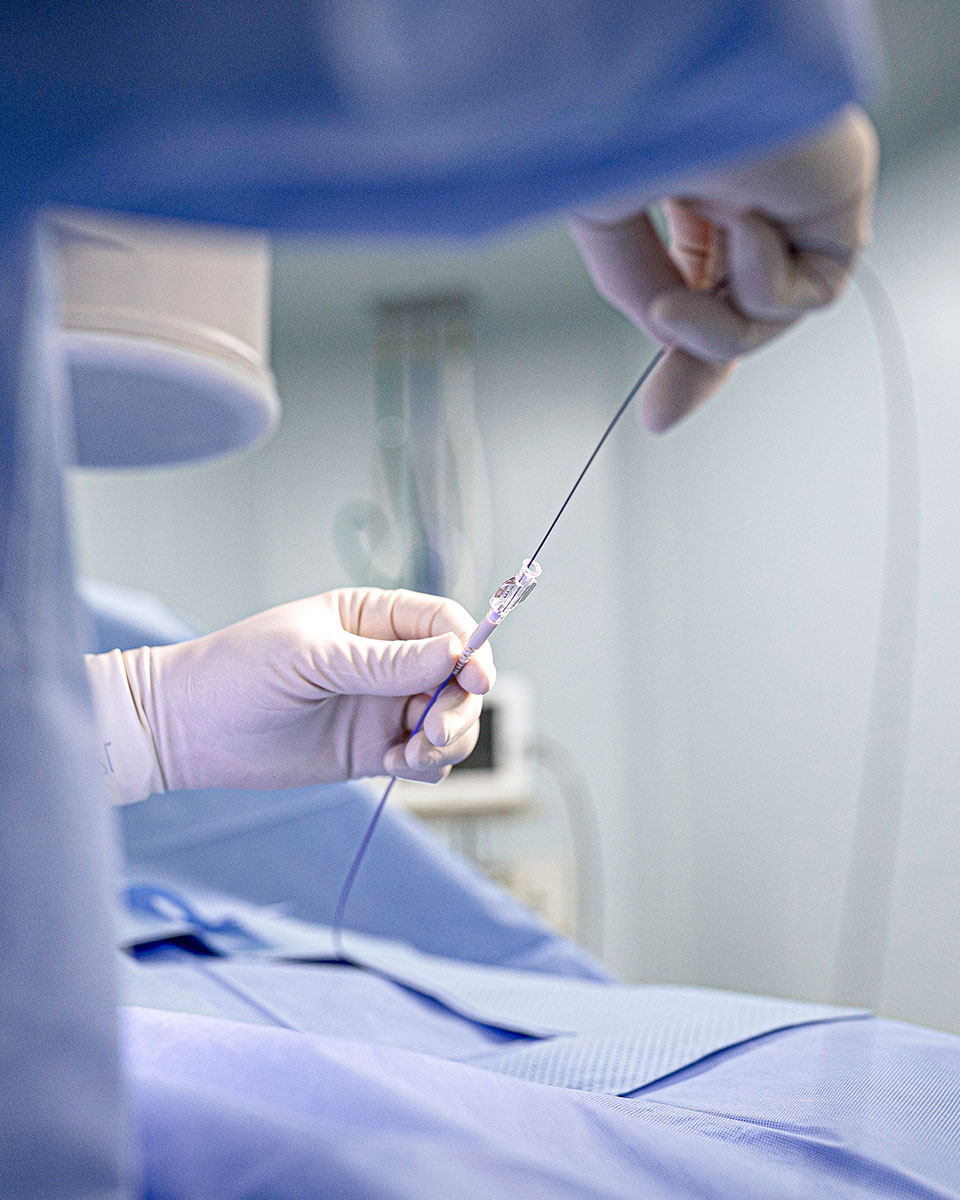
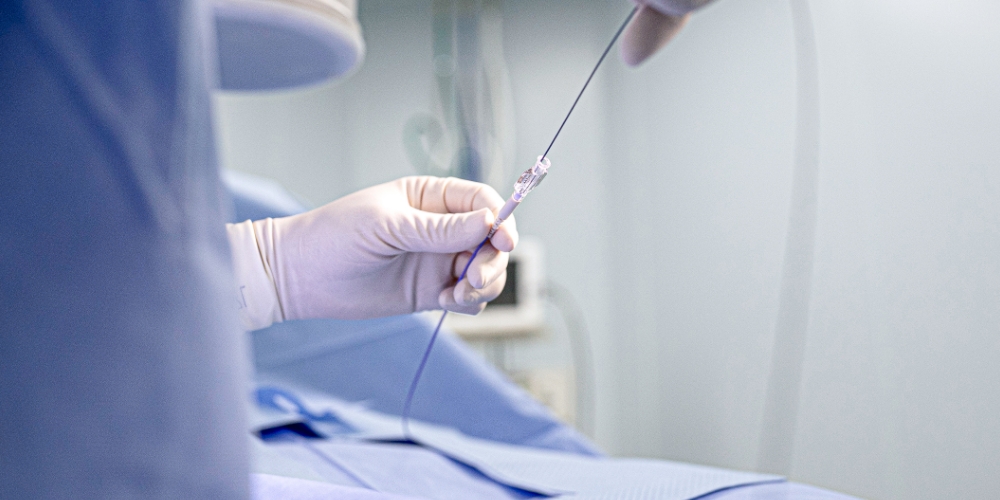
Percutaneous Embolization
Because it does not require a skin incision,
the procedure can be performed relatively simply without general anesthesia.
In cases where the testicular veins have a straightforward anatomy,
it often provides effective treatment and a rapid recovery.
However, since the procedure is performed through the blood vessels,
treatment outcomes may be less favorable
and recurrence rates may be higher
when access to the testicular veins is difficult or collateral veins are present.
Therefore, this approach is selectively considered in appropriate cases.
Percutaneous Embolization Features
Incision
Minimal
Procedure Time
20 min
Anesthesia
Local
Discharge
Same Day
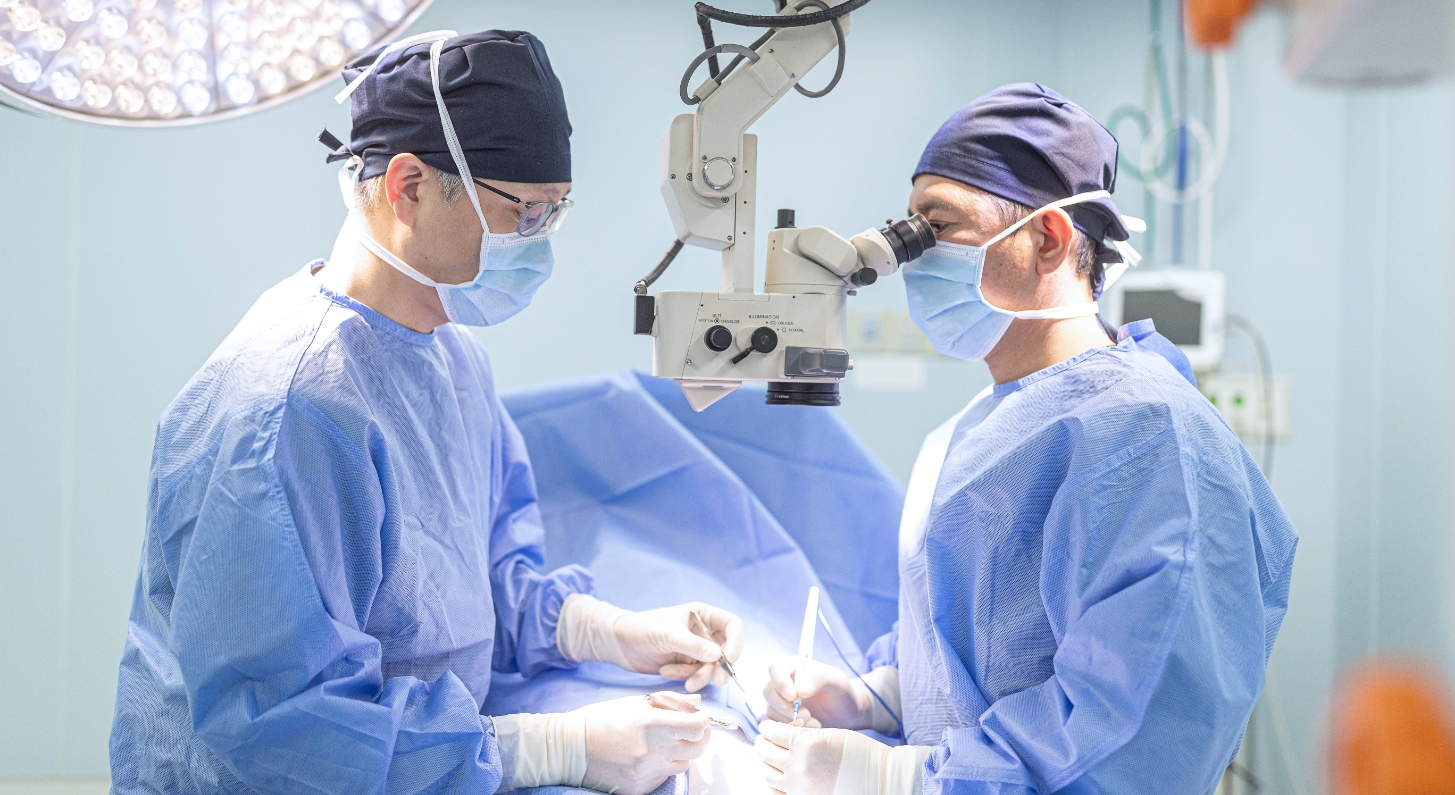
Vasovasostomy
Vasovasostomy is commonly performed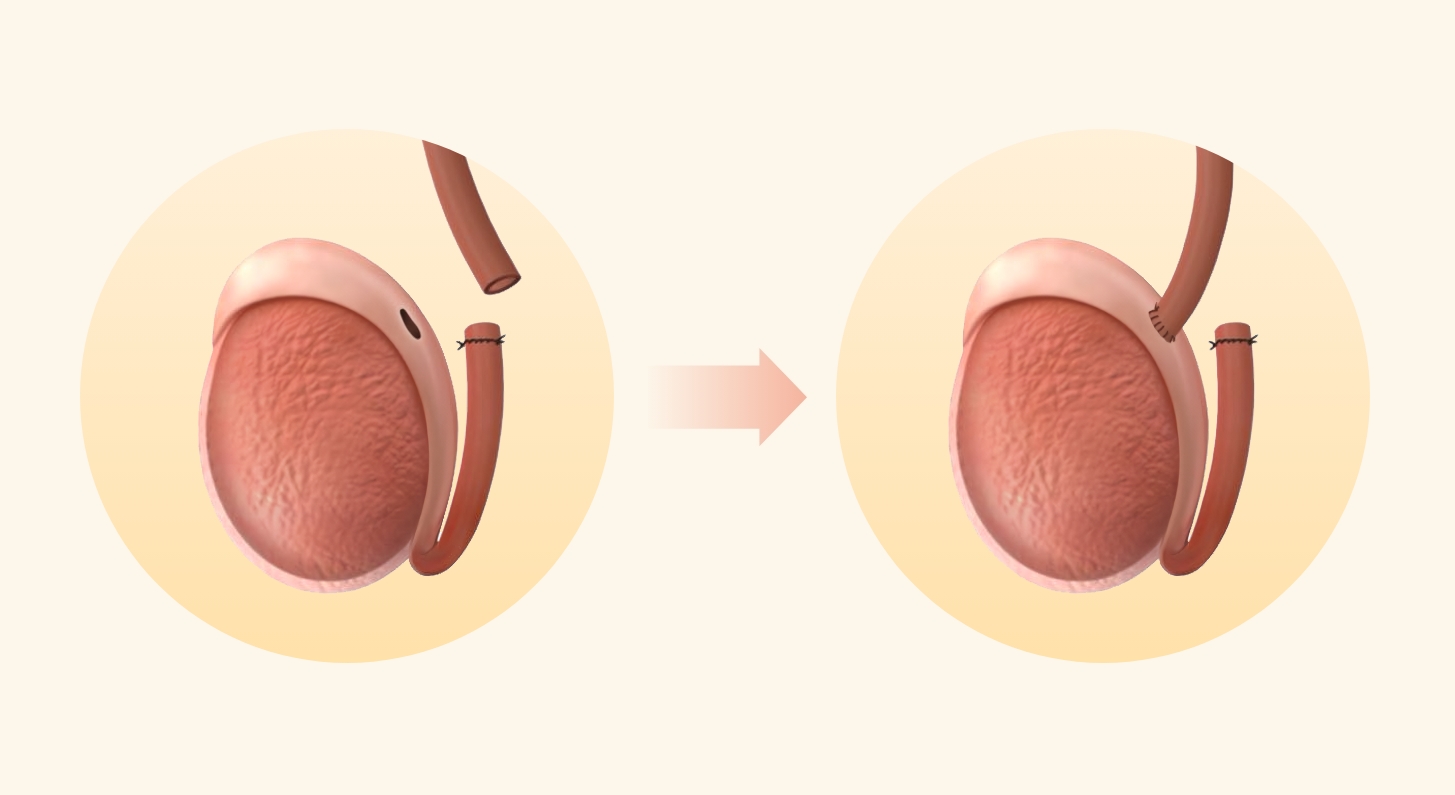
Vasoepididymostomy
If the blockage is located in the epididymis,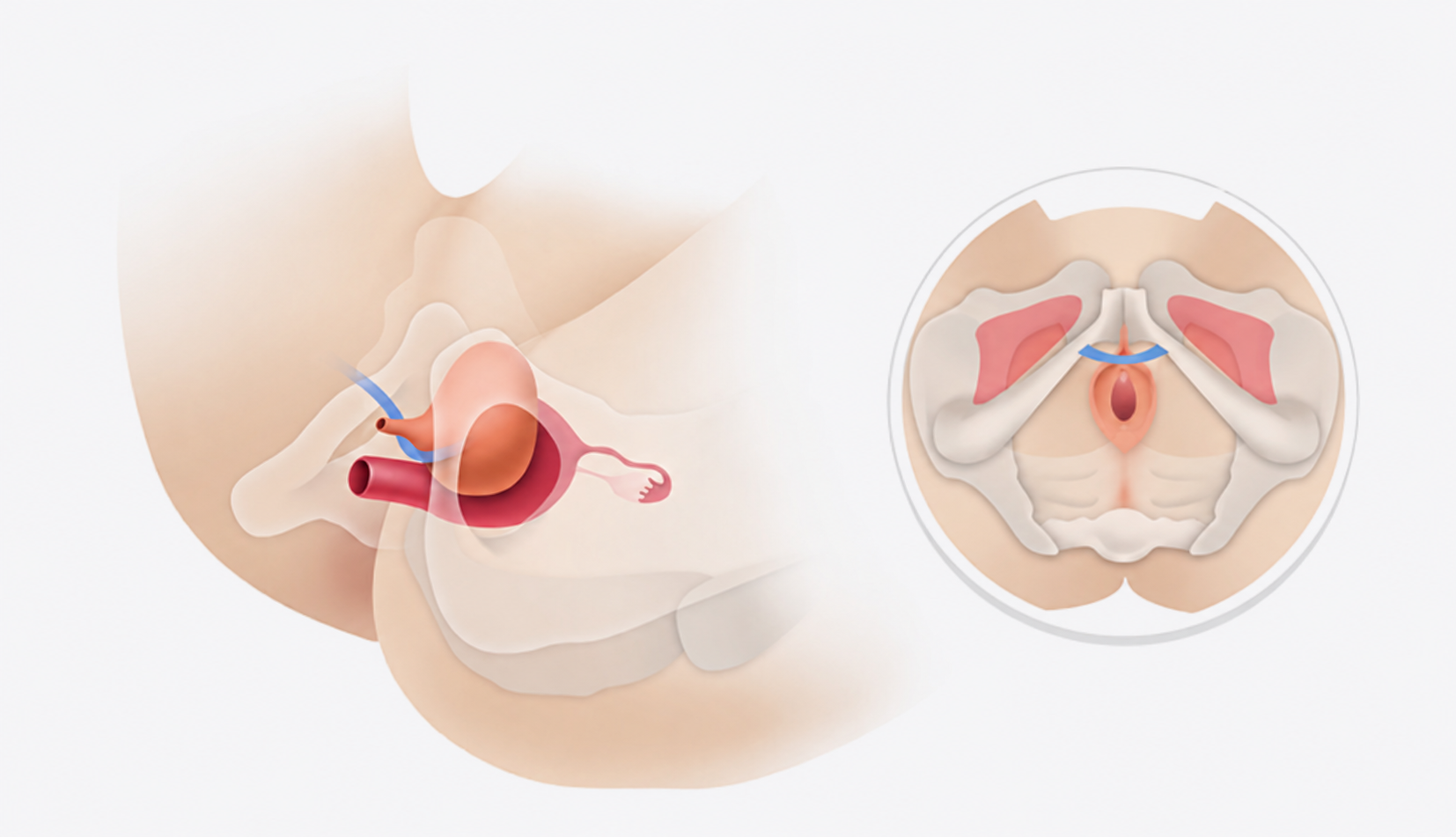
A urology clinic provides diagnosis, testing, medical treatment, minimally invasive procedures, and surgery for conditions affecting the kidneys, ureters, bladder, urethra, prostate, and male reproductive system.
Common urology services include:
- Evaluation and treatment of benign prostatic hyperplasia (BPH)
- Prostate cancer screening, including PSA testing and prostate imaging
- Diagnosis and treatment of kidney and ureteral stones
- Treatment of urinary tract infections (UTIs), cystitis, urethritis, and prostatitis
- Evaluation of frequent urination, difficulty urinating, weak urine flow, and urinary retention
- Diagnosis and treatment of overactive bladder and urinary incontinence
- Evaluation of blood in the urine (hematuria)
- Urinary tests, blood tests, ultrasound, CT, MRI, and urinary function tests
- Cystoscopy and other endoscopic procedures
- Male infertility testing and semen analysis
- Varicocele diagnosis and treatment
- Erectile dysfunction and male sexual health care
- Vasectomy and vasectomy reversal
The services recommended depend on the patient’s symptoms, medical history, examination findings, and test results. Treatment may include medication, lifestyle management, endoscopic treatment, minimally invasive procedures, or surgery.
At UWELL Urology Clinic, 18 board-certified urologists provide comprehensive care for prostate conditions, prostate cancer diagnosis, urinary stones, urinary and bladder disorders, male infertility, varicocele, and vasectomy reversal. Advanced services include AI-assisted 3T prostate MRI, MRI–ultrasound fusion-guided targeted prostate biopsy, multiple BPH treatment options, and a 24-Hour Urinary Stone Center.
You should see a urologist if you have urinary symptoms, prostate concerns, urinary stones, recurrent urinary tract infections, or male reproductive health concerns.
Symptoms such as frequent urination, difficulty urinating, a weak urine stream, blood in the urine, urinary leakage, pelvic pain, or flank pain can have different causes. A urologist can perform the appropriate examinations and tests to identify the cause and recommend suitable treatment.
Urologists diagnose and treat conditions affecting the urinary tract, prostate, and male reproductive system, including benign prostatic hyperplasia (BPH), prostate cancer, kidney and ureteral stones, prostatitis, urethritis, cystitis, male infertility, varicocele, and conditions requiring vasectomy reversal.
At UWELL Urology Clinic, 18 board-certified urologists work closely with an in-house board-certified radiologist who participates in imaging examinations, image interpretation, and treatment planning. This integrated approach supports a coordinated process from examination and diagnosis to treatment planning.
Since 2015, UWELL Urology Clinic has built extensive clinical experience, including 3,651 BPH procedures and surgeries, 2,549 prostate biopsies, and 21,247 prostate screening evaluations.
Based on each patient’s symptoms, medical history, and test results, our specialists provide individualized diagnostic and treatment plans.
Common urology problems include conditions affecting the urinary tract, bladder, prostate, and male reproductive system.
Some of the most common conditions include:
- Urinary tract infections (UTIs), including cystitis
- Benign Prostatic Hyperplasia (BPH)
- Kidney and ureteral stones
- Overactive bladder
- Urinary incontinence
- Prostatitis
- Urethritis
- Difficulty urinating or urinary retention
- Blood in the urine (hematuria)
Patients may also visit a urology specialist for prostate cancer screening and diagnosis, male infertility, varicocele, erectile or sexual health concerns, and vasectomy reversal.
At UWELL Urology Clinic, our 18 Urology Specialists provide comprehensive and personalized care for common urinary problems as well as specialized conditions involving the prostate, urinary stones, and male reproductive health.
Yes. Urology specialists provide care for both men and women because the urinary tract includes the kidneys, ureters, bladder, and urethra in everyone.
Women may see a urology specialist for conditions such as:
- Recurrent urinary tract infections
- Cystitis
- Urinary incontinence
- Overactive bladder
- Blood in the urine
- Urinary stones
- Bladder pain
- Difficulty emptying the bladder
At UWELL Urology Clinic, female patients receive individualized evaluation and treatment based on their symptoms and medical needs.
Certain urinary or genital symptoms may indicate a serious condition that requires prompt medical attention.
Urologic red flags include:
- A sudden inability to urinate
- Visible blood or blood clots in the urine
- Sudden and severe testicular pain or swelling
- Severe pain in the side or back with fever or chills
- Persistent vomiting with severe urinary stone symptoms
- High fever, weakness, or confusion with urinary symptoms
- A significant injury to the urinary tract or genital area
These symptoms may be associated with urinary obstruction, a severe urinary tract infection, testicular torsion, urinary stones, or significant bleeding. Seek urgent medical care if symptoms are severe or rapidly worsening.
UWELL Urology Clinic provides precision evaluation for prostate and urinary conditions using advanced diagnostic systems, including AI-assisted 3T MRI and MRI-ultrasound fusion targeted prostate biopsy when clinically indicated. Our 24-Hour Urinary Stone Center also provides prompt diagnosis and treatment for patients with sudden flank pain, urinary obstruction, fever, or other urgent urinary stone symptoms.
The tests recommended by a urology specialist depend on the patient’s symptoms, medical history, and initial examination. Not every patient requires every test.
Common urologic tests include:
- Urinalysis and urine culture
- Blood tests, including PSA and kidney function tests
- Ultrasound examinations
- CT or MRI scans
- Uroflowmetry to measure urine flow
- Post-void residual urine measurement
- Urodynamic testing
- Cystoscopy to examine the urethra and bladder
- Sexually transmitted infection testing
- Semen analysis
- Prostate biopsy when clinically indicated
At UWELL Urology Clinic, appropriate tests are selected for each patient to support an accurate diagnosis and a personalized treatment plan.
Early symptoms of Benign Prostatic Hyperplasia (BPH) often begin gradually and may be easily overlooked.
Common early signs include:
Increased urinary frequency, especially at night (nocturia)
A weak or slow urine stream
Difficulty starting urination (hesitancy)
A feeling of incomplete bladder emptying
These symptoms occur as the enlarged prostate begins to compress the urethra, affecting normal urine flow. Early evaluation is important to prevent progression and complications.
Although BPH and Overactive Bladder (OAB) share similar symptoms such as frequent urination, their causes are different.
BPH is caused by physical enlargement of the prostate, leading to urinary obstruction
OAB is caused by involuntary bladder muscle contractions, without obstruction
Key differences include:
BPH → weak stream, hesitancy, incomplete emptying
OAB → urgency, sudden urge to urinate, possible urge incontinence
A proper diagnosis usually involves symptom assessment, urine tests, and imaging studies.
These symptoms occur as the enlarged prostate begins to compress the urethra, affecting normal urine flow. Early evaluation is important to prevent progression and complications.
PSA (Prostate-Specific Antigen) and prostate ultrasound are essential tools in evaluating BPH.
PSA test helps assess prostate health and screen for potential prostate cancer
Ultrasound measures prostate size and evaluates bladder residual urine
These tests are not only used to confirm BPH but also to differentiate it from other conditions such as prostate cancer or bladder dysfunction. Together, they guide appropriate treatment planning.
Treatment for BPH typically starts with medication. However, surgery may be considered when:
Symptoms do not improve with medication
There is severe urinary obstruction
Complications occur, such as:
Recurrent urinary retention
Bladder stones
Kidney function impairment
Surgical treatment is also preferred when the prostate is significantly enlarged or when patients seek a more definitive and long-term solution.
Aquablation and HoLEP (Holmium Laser Enucleation of the Prostate) are advanced surgical options for BPH.
- Aquablation
Uses a high-pressure waterjet controlled by robotic imaging
Minimizes thermal damage
May help preserve sexual function, including ejaculation
- HoLEP
Uses a laser to remove enlarged prostate tissue
Highly effective for large prostates
Long-term durability with low recurrence rates
Both procedures are minimally invasive and effective. The choice depends on prostate size, patient condition, and treatment goals.
Early-stage prostate cancer often develops slowly and remains confined within the prostate gland.
Because it does not initially affect the urinary tract or surrounding structures, most patients experience no noticeable symptoms.
Symptoms such as difficulty urinating, blood in urine, or pelvic discomfort usually appear only when the cancer has grown large enough to affect nearby tissues or has spread beyond the prostate.
This is why regular screening, including PSA testing, is critical for early detection, even in the absence of symptoms.
A high PSA (Prostate-Specific Antigen) level does not necessarily indicate prostate cancer.
PSA can be elevated due to several non-cancerous conditions, including:
Benign Prostatic Hyperplasia (BPH)
Prostatitis (prostate inflammation)
Recent ejaculation or prostate stimulation
While elevated PSA increases suspicion for prostate cancer, it is not diagnostic on its own.
Further evaluation, such as imaging (MRI) or biopsy, is required to confirm the diagnosis.
MRI fusion biopsy is a more advanced and precise diagnostic method compared to conventional biopsy.
Conventional biopsy
Samples tissue systematically (random sampling)
May miss small or hard-to-detect tumors
MRI fusion biopsy
Combines MRI imaging with real-time ultrasound
Targets suspicious lesions identified on MRI
Improves detection of clinically significant prostate cancer
This approach allows for more accurate diagnosis and reduces unnecessary biopsies, especially in patients with persistently elevated PSA.
Treatment for prostate cancer is personalized based on several factors:
Cancer stage (localized, locally advanced, metastatic)
Gleason score / tumor aggressiveness
PSA level
Patient age and overall health
General treatment approaches include:
Surgery (Radical Prostatectomy)
→ Preferred for localized cancer in healthy patients
Radiation therapy
→ Alternative to surgery or used in combination
Hormone therapy (Androgen Deprivation Therapy, ADT)
→ Used for advanced or metastatic disease
In some low-risk cases, active surveillance may be recommended instead of immediate treatment.
The prognosis of prostate cancer depends largely on the stage at diagnosis.
Localized prostate cancer
→ Very high survival rate (near 100% 5-year survival)
Locally advanced cancer
→ Good prognosis with appropriate treatment
Metastatic prostate cancer
→ Lower survival rate, but long-term control is possible with modern therapies
Overall, prostate cancer has one of the highest survival rates among cancers when detected early, emphasizing the importance of early screening and accurate diagnosis.
While flank pain is the most well-known symptom of urinary stones (kidney stones), other symptoms may include:
Blood in the urine (hematuria)
Frequent urination or urgency
Pain during urination
Nausea and vomiting
Lower abdominal or groin pain
The pain may come in waves (renal colic) and vary in intensity depending on the stone’s location and movement within the urinary tract.
The likelihood of spontaneous passage depends mainly on the size and location of the stone.
Stones ≤ 5 mm → high chance of natural passage
Stones 5–7 mm → moderate chance, may require medical support
Stones ≥ 7 mm → low chance, often require intervention
Even small stones can cause severe pain, so proper monitoring and medical evaluation are important.
ESWL (Extracorporeal Shock Wave Lithotripsy) and URS/RIRS (ureteroscopy / retrograde intrarenal surgery) are common treatments for urinary stones.
ESWL
Non-invasive (no incision)
Uses shock waves to break stones into smaller fragments
Suitable for small to medium-sized stones
May require multiple sessions
URS / RIRS
Minimally invasive endoscopic procedure
Directly visualizes and removes or fragments stones using a laser
Higher stone-free rate in a single procedure
Suitable for larger or complex stones
The choice depends on stone size, location, density, and patient condition.
Preventing recurrent urinary stones requires lifestyle and dietary management.
Key recommendations include:
Adequate hydration (at least 2–2.5 liters of water per day)
Reducing salt (sodium) intake
Moderating intake of animal protein
Avoiding excessive oxalate-rich foods (e.g., spinach, nuts)
Maintaining balanced calcium intake (not excessively restricting it)
In some cases, metabolic evaluation and medication may be needed to reduce recurrence risk.
Large stones or stones located in the kidney often require surgical intervention because:
They are unlikely to pass naturally
They can cause persistent obstruction of urine flow
They may lead to complications such as:
Recurrent infections
Kidney damage
Severe, uncontrolled pain
Procedures such as URS/RIRS or percutaneous nephrolithotomy (PCNL) are used to effectively remove large or complex stones and prevent long-term complications.
Varicocele occurs more commonly on the left side because of the way the testicular vein drains into the body.
The left testicular vein usually drains into the left renal vein at a right angle, which can make blood flow slower and increase pressure inside the vein.
This increased venous pressure can cause the veins around the testicle to become enlarged, leading to a varicocele.
Varicocele may affect male fertility by increasing the temperature around the testicle and interfering with normal sperm production.
It can be associated with:
Reduced sperm count
Decreased sperm motility
Abnormal sperm shape
Lower sperm quality
In men with infertility, a semen analysis and scrotal ultrasound can help determine whether varicocele is affecting reproductive function.
Varicocele does not always require treatment, especially when there are no symptoms or fertility concerns.
Treatment may be considered when varicocele causes:
Dull or aching scrotal pain
A heavy feeling in the testicle
Testicular size difference
Abnormal semen analysis results
Difficulty achieving pregnancy
A urologist can evaluate the grade of varicocele, symptoms, and fertility status to decide whether treatment is needed.
Varicocele surgery and embolization are both treatments designed to block abnormal blood flow in the enlarged veins.
Varicocele surgery usually involves tying or sealing the affected veins through a small incision, often using a microscopic approach.
Varicocele embolization is a non-surgical procedure in which a catheter is used to block the abnormal vein from inside the blood vessel.
The best treatment option depends on the patient’s anatomy, symptoms, fertility goals, and medical condition.
After varicocele treatment, sperm count, sperm motility, and overall semen quality may improve in some patients.
Improvement usually takes time because sperm production occurs in cycles, and changes are often evaluated through follow-up semen analysis after several months.
The degree of improvement can vary depending on:
Varicocele severity
Testicular condition
Baseline semen analysis results
Age and fertility factors
Varicocele treatment may help improve the chance of natural pregnancy or assisted reproductive outcomes in selected patients.
Vasovasostomy is a microsurgical procedure that reconnects the two cut ends of the vas deferens after a vasectomy.
It may be considered for men who want to restore natural fertility after vasectomy, especially when sperm production in the testicles is still normal.
A good candidate is usually evaluated based on:
Time since vasectomy
Partner's age and fertility status
Presence of sperm in vasal fluid during surgery
Overall reproductive health
Vasovasostomy reconnects the vas deferens directly to the vas deferens.
Vasoepididymostomy connects the vas deferens to the epididymis when there is a blockage near the epididymis or when direct reconnection is not suitable.
The choice depends on the surgical findings, especially the quality of fluid and whether sperm are found during the procedure.
The success rate of vasovasostomy can vary depending on several factors.
Important factors include:
How long it has been since vasectomy
Microsurgical technique
Surgeon experience
Condition of the vas deferens
Presence of sperm in vasal fluid
Partner's fertility status
A detailed evaluation helps estimate the chance of sperm returning to the semen after surgery.
Sperm may return to the semen within a few months after vasovasostomy, but the timing can vary from person to person.
Semen analysis is usually performed during follow-up to check whether sperm count and motility are improving.
In some cases, it may take several months or longer for sperm levels to stabilize after the procedure.
Recovery after vasovasostomy usually involves short-term rest, scrotal support, and avoiding heavy physical activity for a certain period.
Patients may experience mild swelling, bruising, or discomfort around the surgical area, which generally improves with time.
Sexual activity and strenuous exercise should be resumed only after medical guidance.
Follow-up semen analysis is important to confirm whether sperm have returned to the semen.
Urinary incontinence can occur due to a variety of underlying conditions that affect bladder control.
Common causes include:
Weak pelvic floor muscles
Overactive bladder (OAB)
Nerve-related conditions affecting bladder function
Prostate enlargement in men
Hormonal changes, especially in women
Urinary tract infections
Identifying the underlying cause is important for selecting the most appropriate treatment.
Stress urinary incontinence and urge incontinence are two common types with different mechanisms.
Stress urinary incontinence occurs when physical pressure such as coughing, sneezing, or exercise causes leakage due to weakened pelvic floor support.
Urge incontinence is caused by sudden, involuntary bladder contractions, leading to a strong and immediate need to urinate that is difficult to control.
Proper diagnosis helps determine the most effective treatment approach.
Medical evaluation is recommended when urinary incontinence affects daily life or worsens over time.
You should consider seeing a doctor if:
Leakage occurs frequently or unexpectedly
Symptoms interfere with daily activities or sleep
There is pain, blood in urine, or recurrent infections
Symptoms suddenly worsen
Early evaluation can help identify the cause and prevent progression.
Treatment for urinary incontinence depends on the type and severity of the condition.
Common treatment options include:
Lifestyle modifications (fluid management, bladder training)
Pelvic floor muscle exercises (Kegel exercises)
Medications to control bladder activity
Minimally invasive procedures or surgical treatments in selected cases
A personalized approach is important to achieve optimal results.
Yes, many cases of urinary incontinence can be improved without surgery, especially in early or mild stages.
Non-surgical approaches include:
Pelvic floor muscle training (Kegel exercises)
Bladder training to improve control
Weight management and lifestyle adjustments
Medication when appropriate
These methods can significantly reduce symptoms and improve quality of life for many patients.
3F, 4F, 5F, Tower 837, 318 Gangnam-daero, Gangnam-gu, Seoul, Republic of Korea